Polish Food: Pierogi, Żurek, Bigos and Oscypek
Choose traditional Polish dishes, understand pierogi fillings and soup ingredients, and plan meals in restaurants, milk bars and mountain towns.
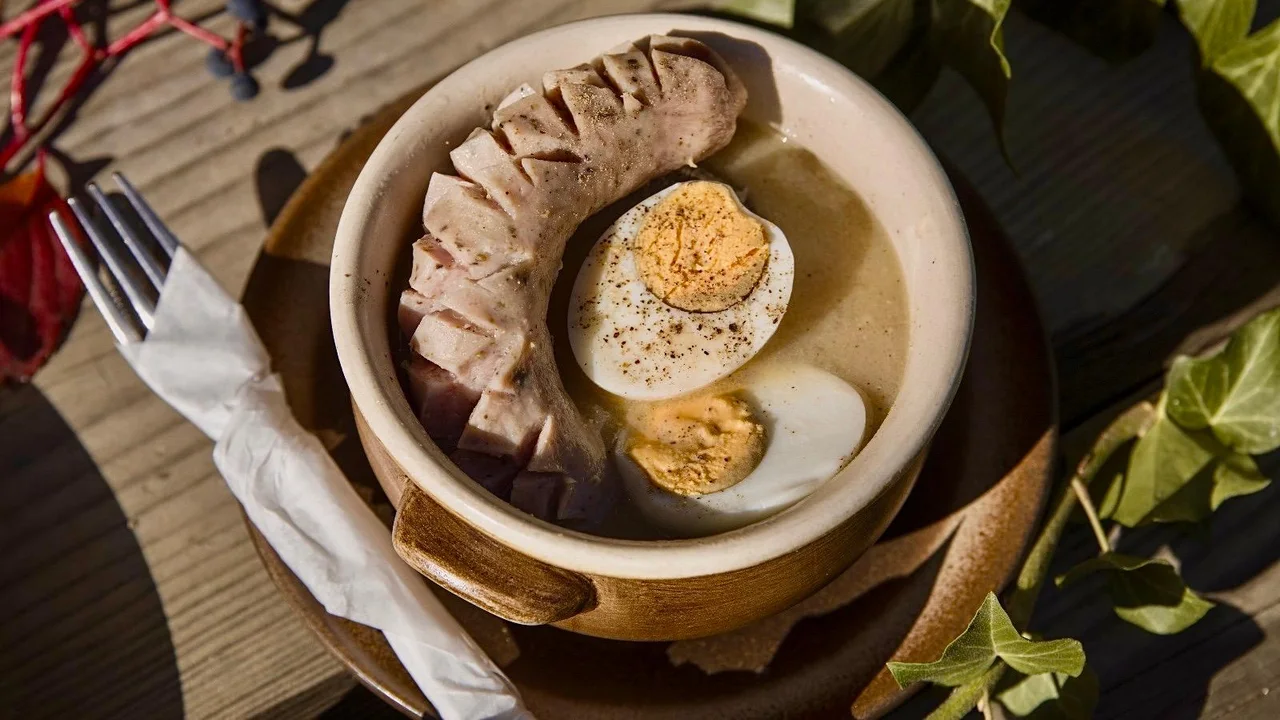
Start with pierogi if you want an easy introduction to Polish food, then add the sharpness of żurek, a bowl of meaty bigos and the smoky flavour of oscypek from the south. Order them across the trip rather than as a single heavy meal. Read the filling and the topping before the dish name: two plates both called pierogi can have little in common.
A familiar-looking dish can hide the ingredient that matters to you. Potato dumplings may arrive with pork crackling, a pale soup may contain sausage, and a cheese filling is still dairy even when the menu calls it a vegetarian choice. Ask about the whole plate, including what goes on top.
Read the pierogi filling before choosing the sauce
Pierogi are filled dumplings, savoury or sweet, and the menu names them by filling. Ruskie are potato and curd cheese; the name has nothing to do with Russia, and culture.pl says it most likely comes from Poles living in what is now Ukraine. Z mięsem are meat, z kapustą i grzybami are sauerkraut and mushroom, and fruit versions turn up on the sweet side. Order a mixed plate if the kitchen offers one.
Then choose how they come: gotowane are boiled and soft, smażone are fried and have a browned skin. The topping is where vegetarians go wrong. Skwarki, small pieces of fried pork fat, can come on top or inside, so ask for pierogi bez skwarek if you don’t eat meat. If you’d rather skip a full meal built around meat, ask about the cabbage and mushroom pierogi.
Żurek and bigos
Żurek gets its character from a sour starter. The Kraków version listed in the Polish traditional-food register can be cooked with smoked meat or sausage and served with potatoes or egg; a fasting version uses mushrooms.
If you enjoy a tangy soup, żurek is a good candidate for the start of a meal or a lighter order, depending on the serving. Ask what comes in it and whether bread is part of the presentation, since the garnish can turn a simple-looking soup into a substantial dish.
Bigos moves towards a slow-cooked mixture of sauerkraut, meat and seasoning. Its English name, hunters’ stew, doesn’t tell you much about a particular recipe. Read the kitchen’s description instead of assuming it means game, or expecting a standard mixture of meats wherever you go.
When you’re choosing lunch, żurek offers sourness in a broth-based dish, while bigos puts cabbage and meat together in something denser. If the day already includes a large dinner, you can take a modest lunch without giving up traditional food altogether.
Meat-free diners should make the broth and cooking fat part of the question. Ask what the mushrooms or vegetables were cooked in, as well as what will be served alongside them. For an allergy, explain the ingredient you must avoid and ask staff to check with the kitchen. A dish description won’t tell you how the kitchen handles cross-contact, so ask.
Take oscypek back to its mountain setting
Oscypek is a hard, salted and smoked cheese associated with Podhale. The Oscypek Museum in Zakopane describes its hand production from sheep’s milk, with an admixture of milk from Polish Red cows allowed. The real thing is spindle-shaped, 17 to 23 cm long and 600 to 800 g, and at least 60% of the milk is sheep’s. It also has a protected regional identity.
The museum says oscypek is made from May to September and sells its own until the end of December, or until stocks run out. Regional cheeses turn up again in winter on the Christmas markets in Poland, where the Kraków organiser lists them among the stall foods. Outside that window, ask the seller what the cheese actually is, and how its origin is identified. A smoked, spindle-shaped cheese on a Zakopane stall in March may be something else.
Look at the label and ask about the cheese itself before concentrating on the sauce or the grilling. A small taste of an unfamiliar smoked cheese tells you more than buying a large quantity because it looks like the local souvenir. The museum’s advice is to taste high-sheep’s-milk oscypek at room temperature, without treating grilling as essential. A hot snack with a sweet accompaniment is another way to eat it, and it’s reasonable to enjoy it on those terms.
Fit this part of your food planning around the Tatra Mountains and Podhale portion of the trip.
A milk bar is a way of ordering as well as eating
The Polish bar mleczny, usually translated as milk bar, is associated with everyday home-style food. Culture.pl, published by the Adam Mickiewicz Institute, says you can order chiefly traditional and ordinary Polish food there, such as pierogi, tomato soup (pomidorowa) or cutlets, with dairy dishes such as pancakes with white cheese and leniwki, dumplings made from cheese, flour and eggs. You order at a register and the food is placed on a counter.
Keep the first order manageable if the menu is unfamiliar. Read the board, identify the dishes you want and be ready to collect them when called. If you’re unsure about a name, ask before paying.
The milk-bar format suits a straightforward lunch. For a long conversation or a meal where staff can spend time discussing dietary needs, choose a venue whose service fits that purpose. Milk in the name isn’t a promise that the whole menu is vegetarian, so look at the actual dishes and ask the same ingredient questions you’d ask elsewhere.
Bakeries, snacks and Kraków
You don’t have to make every stop a survey of Polish cuisine. Choose a proper meal for a dish that needs explanation, then leave a café break or a bakery visit open to whatever catches your eye. In a bakery, look for pączki: deep-fried doughnuts with sweet fillings such as fruit jam, and culture.pl lists rosehip among the fillings you’ll find. Around Fat Thursday, in the days before Lent, they’re the thing to queue for.
In Kraków, the snack to know is the zapiekanka, a long open sandwich on half a baguette with toppings from cheese to sausage. Visit Krakow calls the zapiekanki stalls around the round market hall on Plac Nowy in Kazimierz the real stars of the district’s street food. If you’d like someone to translate the menu on your first evening, a guided food walk is the easy way in, and you can look for one in the Poland tour listings linked at the end of this page.
If you’re following the rail itinerary through Poland, save the dishes you particularly want for days when you’re staying put. It’s easier to enjoy an unfamiliar meal when you aren’t calculating the walk back to the station. On a travel day, order with the departure in mind.
Menu words in one place
| On the menu | What it is |
|---|---|
| ruskie | Pierogi with potato and curd cheese |
| z mięsem | With meat |
| z kapustą i grzybami | With sauerkraut and mushrooms |
| gotowane, smażone | Boiled and soft, or fried with a browned skin |
| skwarki, bez skwarek | Pieces of fried pork fat, and “without them” |
| żurek | Sour soup, often with sausage or egg |
| pomidorowa | Tomato soup, a milk-bar staple |
| leniwki | Dumplings made from cheese, flour and eggs |
| zapiekanka | Long open sandwich on half a baguette |
| pączki | Deep-fried doughnuts with sweet fillings |
If you only have room for three meals, make them a bowl of żurek, a plate of ruskie in a milk bar and, if you’re in the mountains, a piece of oscypek from a stall that can tell you where it was made.
Photos
Read also

What to see · 7 min read
Visiting Auschwitz-Birkenau: Passes, Hours, Getting There
Updated · 17 November 2026How to visit the Auschwitz-Birkenau Memorial: the free online entry pass, guided or alone, hours by month, the Kraków train and bus, and the rules.

Car hire · 7 min read
Car Hire in Poland: Airport Desks, Tolls and e-TOLL Rules
Updated · 17 November 2026Hiring a car in Poland: airport pick-up in Warsaw and Kraków, why a normal car needs no e-TOLL, which motorways charge, and the rules to know.

Things to do · 6 min read
Christmas Markets in Poland: Choose Your City
Updated · 17 November 2026Compare Christmas market breaks in Kraków, Wrocław, Gdańsk and Poznań: the 2026 dates and layout of each, plus hours where organisers publish them.

Transport · 8 min read
Getting Around Poland: Trains, Coaches and Airports
Updated · 17 November 2026Choose trains, coaches or a car in Poland, check station names and airport transfers, and understand tickets and reservations before booking.