Travel Insurance for Poland: EHIC, Activities and Cover
Compare Poland travel insurance around healthcare entitlement, mountain activities, cancellation and repatriation, with practical checks before buying.
Buy travel insurance for Poland around the trip you’re actually taking: a city break, a hiking holiday and a long stay create different gaps. An eligible EHIC or UK GHIC can help with necessary state healthcare, but it doesn’t replace travel insurance. Compare policies by the bills you couldn’t pay yourself, not by the headline price.
Put your healthcare documents alongside your insurance comparison before deciding what to buy. Your entitlement to public treatment, a private clinic’s bill and transport home are separate questions. Sorting them out before departure is much easier than interpreting a policy from a waiting room. Check the entry rules in the Poland before-you-go guide at the same time.
General information, not insurance or medical advice. Entitlement, cover and exclusions depend on your nationality, residence, health and the policy you buy. The healthcare rules below follow NFZ, GOV.UK, the Government of Canada and the European Commission as read on 17 November 2026; the wording that binds you is the one in your own policy.
Start with your healthcare entitlement
Poland’s National Health Fund, NFZ, explains that eligible visitors insured in an EU or EFTA country or the UK can receive necessary, unscheduled treatment within the public system under the applicable arrangements. Treatment follows the same conditions as for insured Polish patients. Eligibility comes from your insurance status and the documents you hold; carrying a European passport by itself isn’t a substitute for checking your entitlement.
For eligible EU and EFTA visitors, take a valid European Health Insurance Card. UK visitors should check their eligibility for a Global Health Insurance Card or an applicable EHIC through the NHS. GOV.UK’s Poland advice confirms their use for medically necessary state healthcare. These rules were checked on 16 November 2026; recheck the official guidance before travelling, especially if your residence or insurance arrangements have changed.
If your health insurance is in the US, Canada or Australia, the NFZ arrangement above doesn’t apply to you, because it covers people insured in the EU, EFTA countries or the UK. Canada’s official travel advice for Poland says medical services require payment up front, so for these visitors the travel policy does the job of a health card. That advice was checked on 17 November 2026.
Ask whether the provider treats patients under NFZ before agreeing to a private appointment. A clinic can be convenient and English-speaking without being covered by your public healthcare entitlement. If you’ve forgotten your EHIC, NFZ says a provisional replacement certificate can establish the same scope of entitlement. Ask the institution that insures you about that certificate rather than buying an unofficial replacement card.
What a health card covers, and what a policy adds
| Need | EHIC or UK GHIC | Travel policy |
|---|---|---|
| Necessary treatment in a state hospital | Yes, if you’re eligible | Check the wording |
| Private clinic | No | Check the wording |
| Mountain rescue and helicopter evacuation | No | Look for it by name |
| Flight home or medical repatriation | No | Look for it by name |
| Trip cancellation | No | Separate cover |
GOV.UK says health cards don’t cover private healthcare or medical repatriation to the UK, and the European Commission says an EHIC doesn’t cover rescue and repatriation. You might be treated in Poland but need a different flight, an escort or extra accommodation afterwards. Check whether those costs sit under medical assistance, repatriation, travel disruption or a separate benefit, who authorises them and whether a companion’s expenses are included. A large medical limit can sit beside a much smaller limit buried elsewhere.
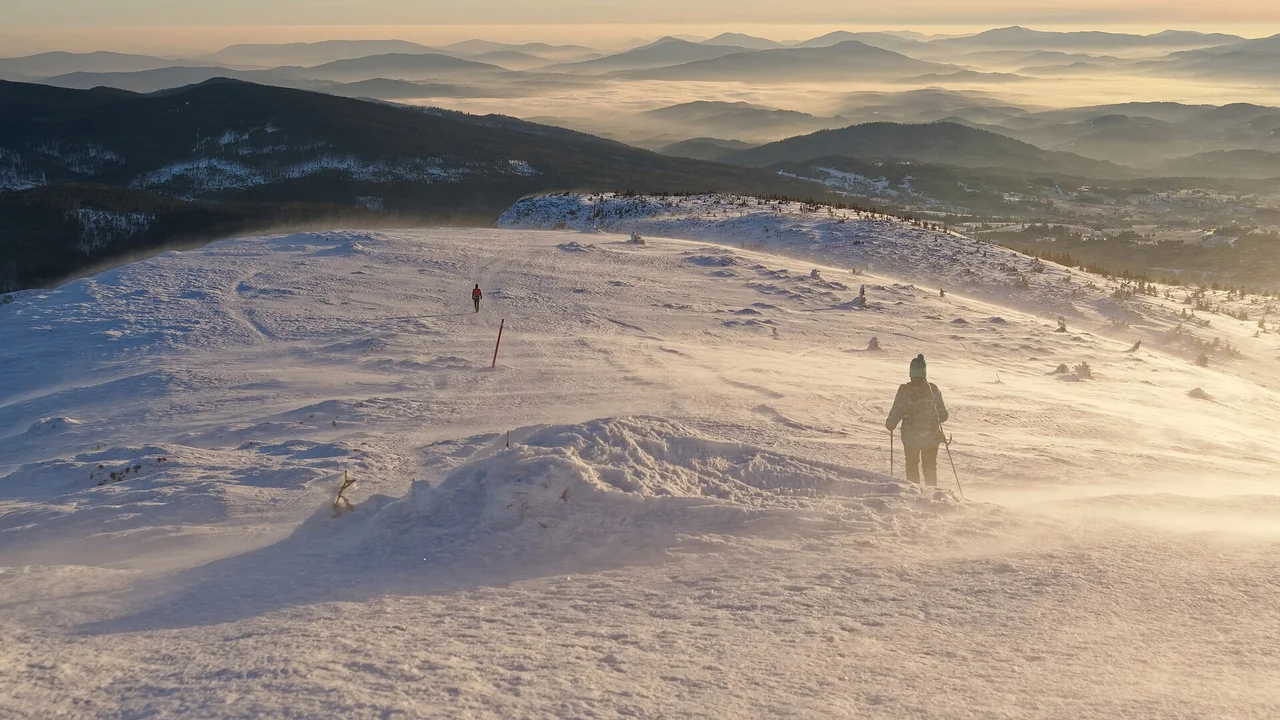
If your holiday includes the Tatra Mountains and Podhale, the border matters. TOPR, the Polish mountain rescue service, says its rescues in the Polish Tatras are free of charge. But many trails run along the Polish-Slovak border, and if you fall or get lost on the Slovak side the rescue is run by the Slovak service HZS and is paid for. TOPR advises buying insurance that covers the cost of a rescue involving a helicopter before you walk border trails. List the activities you intend to do before comparing policies, because a walk to a lake, a winter ascent and skiing can fall into different insurance categories.
Read the activity definitions before booking the activity
Search the wording for hiking, trekking, altitude, winter sports, off-piste activity, climbing and rescue. Then describe your intended route accurately to the insurer if the definitions leave room for doubt. Ask for the answer in a form you can keep. An activity sold to tourists may not be in standard travel insurance.
The same approach works beyond mountains. Cycling, kayaking, hiring a scooter or joining a guided outing can have equipment, supervision or licence conditions. Don’t assume a guide’s insurance covers you: ask the guide what it covers, then check your own policy. Equipment hire and your own medical cover are separate purchases.
Make the decision while the itinerary is still flexible. If an activity needs an extension, compare the extension’s terms with the cost of choosing a different outing. You shouldn’t have to improvise a policy change at the departure point. Nor should insurance be treated as permission to continue when weather, closures or your own ability make a route unsuitable.
Existing conditions need an explicit answer
Use the insurer’s own medical declaration process. The definition of a pre-existing condition may reach beyond a named diagnosis to symptoms, consultations, prescribed medicines or tests. Read that definition before deciding what seems relevant. Don’t stop prescribed treatment or alter a medical history to fit a policy.
If you’re waiting for an investigation, recovering from an illness, pregnant or travelling with an ongoing condition, ask how the actual wording applies. Public healthcare entitlement and private insurance can treat the same circumstances differently. Your clinician can advise on fitness to travel; the insurer decides what its contract covers. Keep those decisions separate.
Check travelling companions as well. A cancellation claim involving a relative’s illness may have different conditions from a claim for your own treatment abroad. If the trip depends on caring arrangements or on someone at home remaining well, read the relevant definition before paying a non-refundable deposit.
Considering SafetyWing
SafetyWing is an option to investigate, particularly if you’re comparing travel medical cover for a longer journey. It isn’t a recommendation for every visitor. Its policy page, checked on 17 November 2026, describes Nomad Insurance Essential as covering the cost of unforeseen medical emergencies and a selection of unforeseen travel costs, and sets 70 as the age from which coverage can no longer be bought. At home it gives only emergency medical cover on short visits.
The activity limits matter on a Poland itinerary. The policy page ties hiking cover to certified, official paths and excludes off-piste skiing and snowboarding even with the adventure add-on. The product page and the policy document don’t always describe plan versions in the same way, so rely on the document attached to your quotation and certificate. Ask about existing conditions and the precise activities on your itinerary, and note that the price comes by quotation for your age and dates.
Compare the quote against another eligible policy using the same trip dates, declared conditions and activities. If you need cover for prepaid hotels or an entire holiday cancellation, make that a separate comparison item. A low medical-policy price can look attractive because you’re comparing different products.
Cancellation and hire-car cover
Before insuring cancellation, work out what you’d actually lose: non-refundable accommodation, transport, admission reservations and activities. Read the permitted reasons for cancellation and the excess, which is the amount left for you to pay under the claim terms. A change of mind and a medical cancellation may be treated very differently.
For a short Kraków stay, flexible accommodation can reduce the amount at risk. That doesn’t remove the need for medical cover, but it changes the cancellation comparison. Avoid insuring a hypothetical expensive holiday when most of your bookings can still be changed or refunded.
If you’re driving, read the Poland car-hire guide alongside the rental agreement. Check whether you must pay the rental company first, what evidence is required and which parts of the vehicle are excluded. A travel policy doesn’t replace the rental contract’s compulsory requirements.
If something happens in Poland
Keep the policy certificate and the assistance number where a travelling companion can find them, and keep any written answer the insurer gave you about your conditions or activities.
For an immediate medical emergency in Poland, GOV.UK advises calling 112 and asking for an ambulance; in the Tatras, the mountain rescue service TOPR answers on +48 601 100 300 or 985. Seek urgent help first. Contact the insurer or assistance service promptly when you’re referred for treatment, following the policy’s instructions about authorisation where circumstances permit. Keep itemised receipts and medical documents for a claim, and request copies before leaving a facility.
Before paying for cover, read the certificate as though someone else will have to use it on your behalf. Can they identify who’s insured, the territory, the dates, the assistance service and the exclusions relevant to your plans? If any answer is buried in an ambiguous definition, resolve it now.
Photos
Read also

What to see · 7 min read
Visiting Auschwitz-Birkenau: Passes, Hours, Getting There
Updated · 17 November 2026How to visit the Auschwitz-Birkenau Memorial: the free online entry pass, guided or alone, hours by month, the Kraków train and bus, and the rules.

Car hire · 7 min read
Car Hire in Poland: Airport Desks, Tolls and e-TOLL Rules
Updated · 17 November 2026Hiring a car in Poland: airport pick-up in Warsaw and Kraków, why a normal car needs no e-TOLL, which motorways charge, and the rules to know.

Things to do · 6 min read
Christmas Markets in Poland: Choose Your City
Updated · 17 November 2026Compare Christmas market breaks in Kraków, Wrocław, Gdańsk and Poznań: the 2026 dates and layout of each, plus hours where organisers publish them.

Transport · 8 min read
Getting Around Poland: Trains, Coaches and Airports
Updated · 17 November 2026Choose trains, coaches or a car in Poland, check station names and airport transfers, and understand tickets and reservations before booking.